
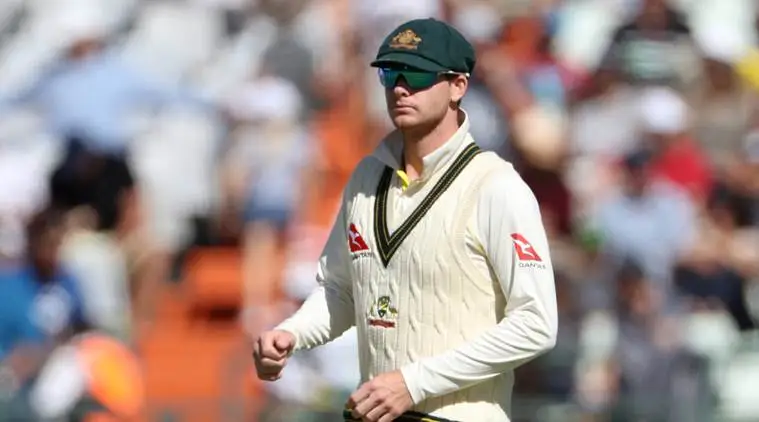
Aaron Finch has offered a distinctive perspective on the extent to which the 2018 ball-tampering controversy affected Steve Smith’s growth as a batsman. Cameron Bancroft’s use of sandpaper to alter the ball during a match against South Africa in Cape Town on March 24, 2018, led to fines that significantly impacted the leadership of Australian cricket. Smith’s suspension was for 12 months, and he was prohibited from captaining any team in any format for a period of two years.
Aaron Finch suggested during an ESPNcricinfo broadcast that Steve Smith’s batting was more benefited by the two-year leadership prohibition than the playing suspension. According to the former captain of the Australian white-ball team, the distinction became apparent shortly after Smith returned to the international set-up. Finch believed that Smith’s resignation from the stewardship alleviated a burden that had impaired his performance.
What was the effect of stewardship on Steve Smith’s preparation?
Finch detailed the distinctive obstacles that captaincy presented to Steve Smith’s preparation and thought processes.
What sets Steve Smith apart from other exceptional batters?
Finch was unequivocal regarding Steve Smith’s position among contemporaneous batters.
Finch then proceeded to elaborate on the factors that set Smith apart from other elite players who possess comparable work ethic and potential.
Also Read : Jasprit Bumrah, Rishabh Pant May Feature in Third Unofficial Test Against New Zealand A
Finch’s assertion regarding the advantages of his captaincy-free period was corroborated by Smith’s performance in the 2019 Ashes series. Smith scored 774 runs in four Tests at an average of 110.57 after returning from his suspension, despite missing one match due to concussion. Australia maintained the urn, as no player on either side achieved a total of nearly 300 runs, which was close to Smith’s total, during the series.

Kavya Malhotra reports on cricket headlines, team news, and memorable moments from tournaments. She aims to make cricket updates useful and easy to follow.